
Hanwha Engine's Q1 2026 results reflect operating cash flow of ₩48.4 billion, free cash flow of ₩23.5 billion, and a ₩5.17 trillion order backlog providing two to three years of production visibility at current run rates; the 14.9% operating margin and positive free cash flow should be treated as the baseline assumptions in near-term financial models.
回到首頁Korea Stock付費專屬
Hanwha Engine Q1 2026: ₩5.17 trillion backlog and positive free cash flow underpin margin recovery as SEAM acquisition reshapes balance sheet
作者 MinJeKim3 次瀏覽
本文的中文翻譯準備中。以下為英文原文。
無限閱讀企業分析 — 每月$9.99
“Hanwha Engine Q1 2026: ₩5.17 trillion backlog and positive free cash flow underpin margin recovery as SEAM acquisition reshapes balance sheet”
本文於2026年6月18日發布。訂閱即可立即閱讀全文,2026年9月16日之後將免費開放。
隨時可取消 · 7天內全額退款
閱讀權限綁定您的帳號。請使用與註冊相同的電子郵件訂閱。若您已付款,用該郵件註冊即可自動解鎖。
深入標題背後
您剛讀到發生了什麼。接下來,讀懂它意味著什麼。
免費每日簡報
免費獲取LineVest Daily →每天早晨的美國市場 — 免費
LineVest Daily在開盤前送達您的信箱:美股關鍵報導、財報、披露與外資流向 — 以簡明英文呈現。免費,無需信用卡。
基於SEC原始披露的獨立新聞報導 — 非投資建議。與任何券商無關。
相關報導
企業分析
How to Read Korean DART Filings in English: A Guide for Foreign Investors
企業分析
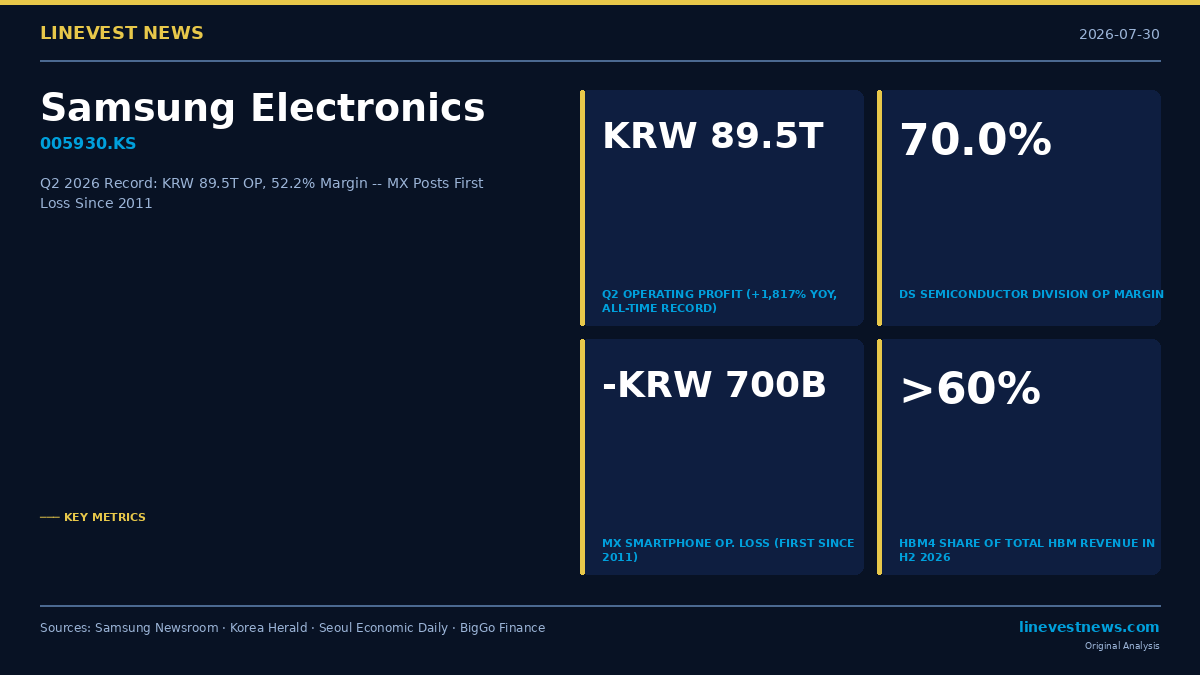
三星電子2026年第二季:營業利益創新高達89.5兆韓元,MX部門2011年來首度單季虧損
企業分析
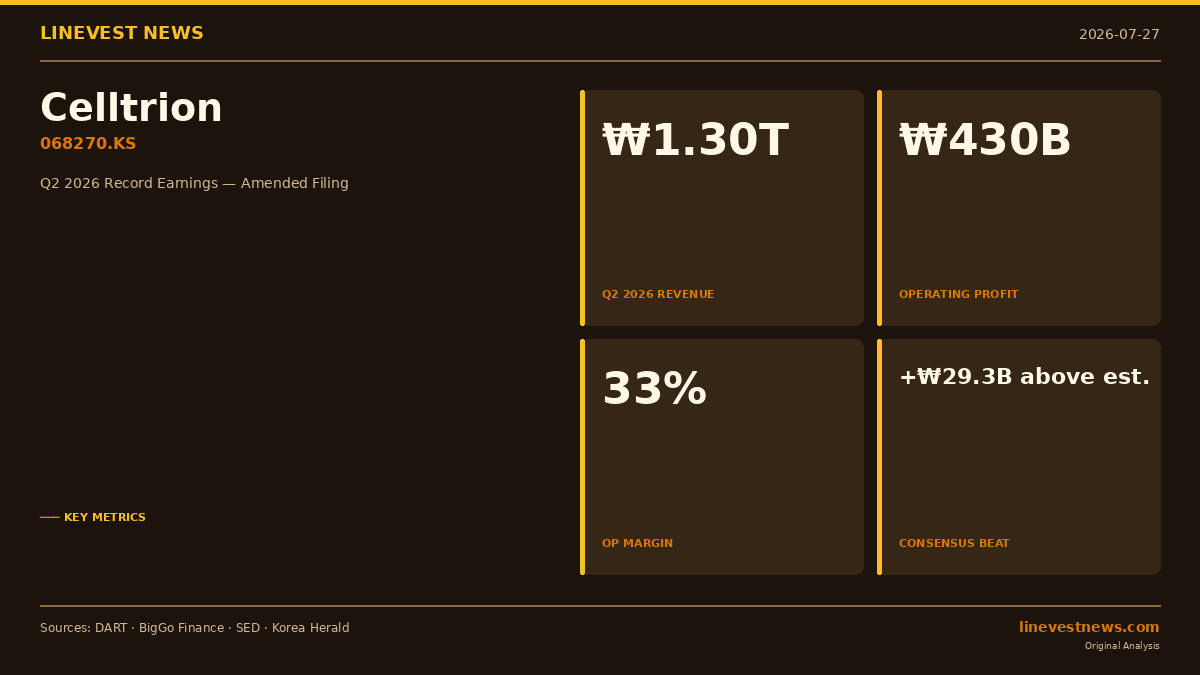
賽特瑞恩修正2026年第二季財報,確認創紀錄營業利益4,300億韓元
企業分析
ABL生技 (298380.KQ) 2026年第一季:虧損收窄48%,現金持有達1,867億韓元
企業分析
EO Technics (039030.KQ) 2026年第一季:HBM雷射需求激增,營業利益翻倍
企業分析
三千堂製藥 (000250.KS) FY2025:Ailia生物相似藥首發帶動營業利益飆升220%,成功轉虧為盈
企業分析
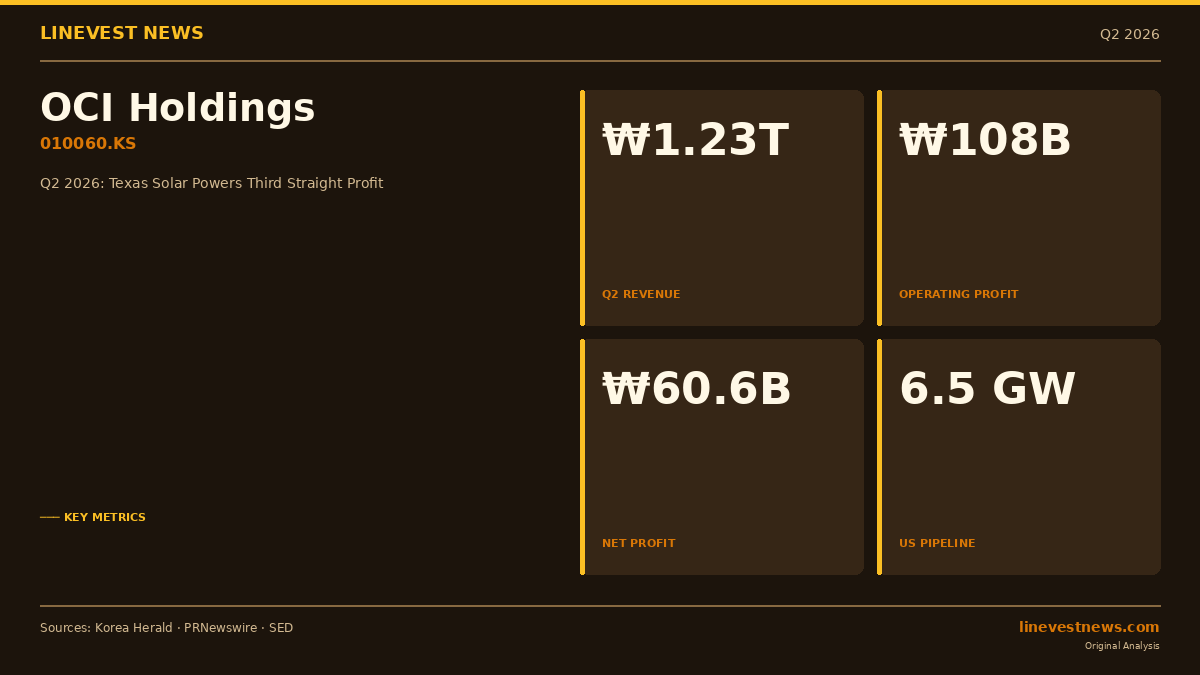
OCI控股(010060.KS)2026年第二季:德州太陽能帶動營收大漲58%,連續第三季獲利
企業分析
科隆組織基因 (950160.KQ) 2026年Q1:₩999億淨損95%為非現金衍生品,TG-C三期臨床未達主要終點
企業分析
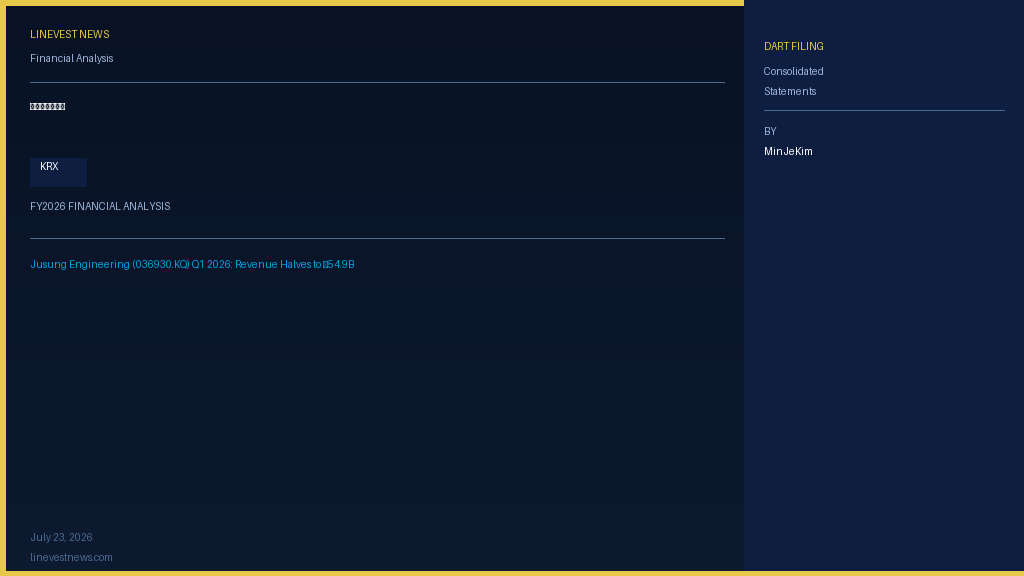
周星工程 (036930.KQ) 2026年第一季:營收腰斬至549億韓元,研發費用佔營收46%致營業虧損70億韓元
企業分析
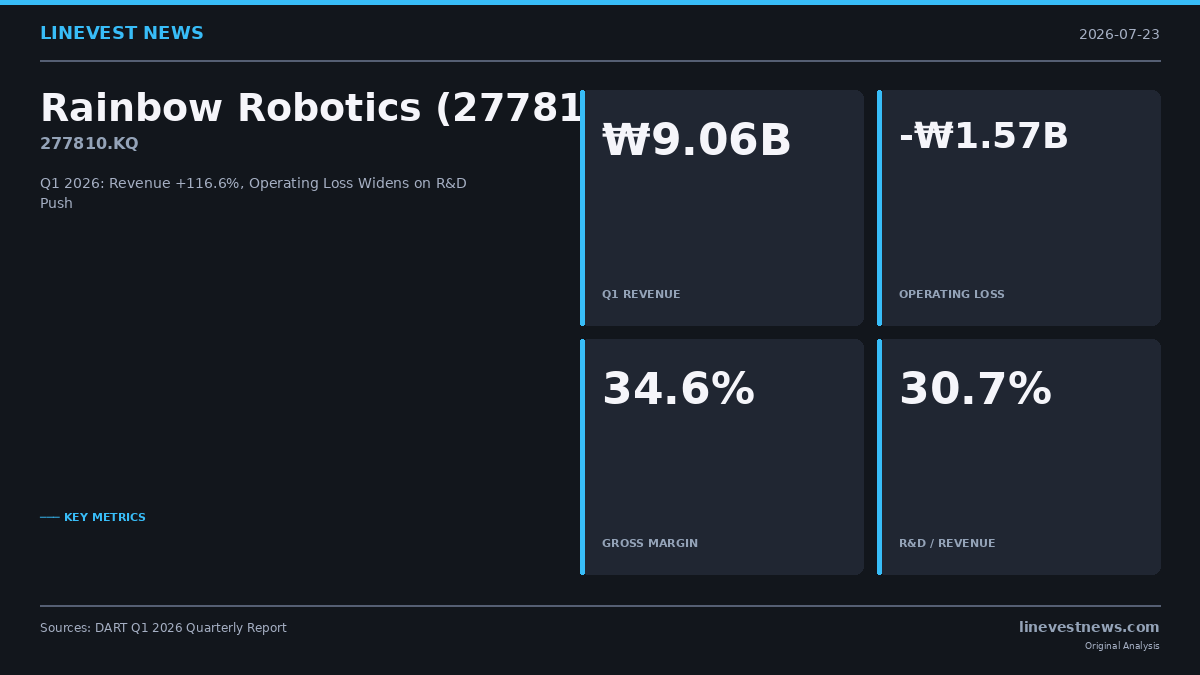
彩虹機器人 (277810.KQ) 2026年Q1營收暴增116.6%,三星電子入股挹注規模擴張,惟研發費用攀升致營業虧損擴大
企業分析
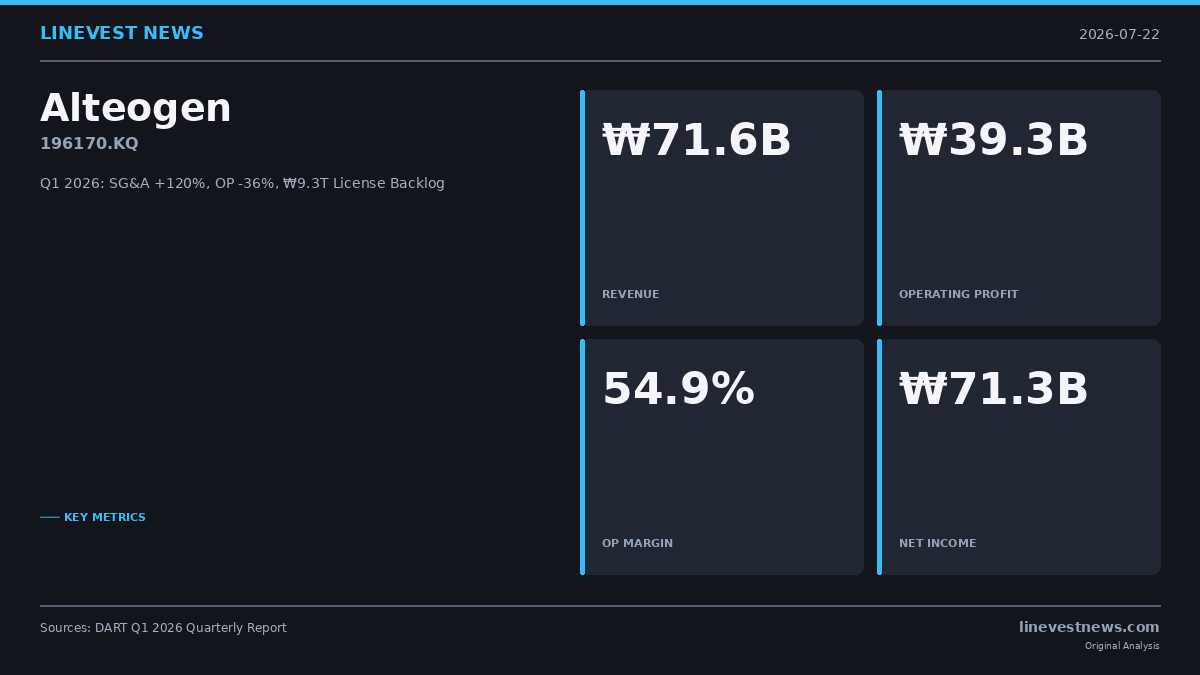
阿爾特根 (196170.KQ) 2026年第一季:銷售管理費用飆升120%侵蝕營業利潤36%,儘管簽下8675億韓元百健授權協議
企業分析